



THE METRO RECORD — The creative economy is often discussed through festivals, premieres and headline-making artists. Less attention is paid to the spaces that make creative work possible: studios, rehearsal rooms, galleries, editing suites, recording facilities and small production businesses.
For Black artists and entrepreneurs, access to affordable space can determine whether a project moves from an idea to a functioning business. A painter needs room to work and store materials. A musician needs reliable recording space. A filmmaker needs equipment and post-production support. A designer needs a place to develop samples and meet clients.
Creative space is business infrastructure
Commercial rents, insurance, utilities, equipment and accessibility improvements can make it difficult for independent operators to maintain a physical location. When creative businesses are pushed out of established neighborhoods, the loss is not only cultural. It can mean fewer jobs, fewer local services and less opportunity for emerging artists to learn from experienced practitioners.
Municipal economic-development programs can help by identifying vacant properties, offering transparent small-business support, creating affordable commercial space and including arts organizations in neighborhood planning. Universities, hospitals and larger institutions can also contribute through procurement, commissions and long-term partnerships.
Black-owned creative businesses should be treated as employers and economic contributors, not simply as providers of entertainment. They generate revenue, train young people, purchase services and help define the identity of a community.
The creative economy becomes more equitable when artists can own the spaces in which they work, retain control of their intellectual property and build businesses that remain rooted in the communities that sustain them.
Source context: BlackNLA and Black Enterprise; original Metro Record analysis.
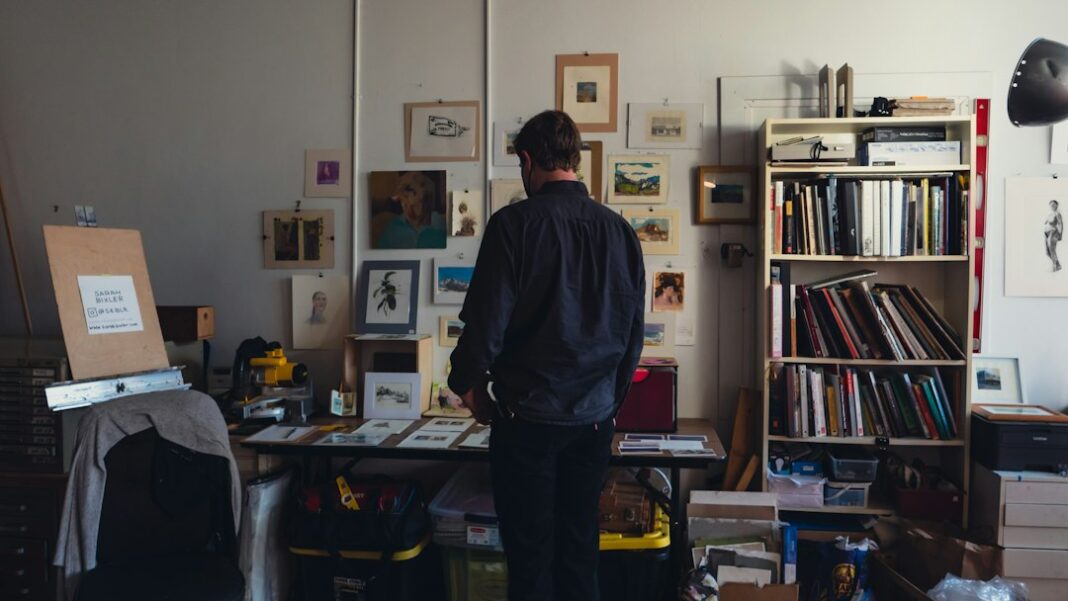
Featured photograph: Illustrative artist workspace by Theo Bickel via Unsplash.