


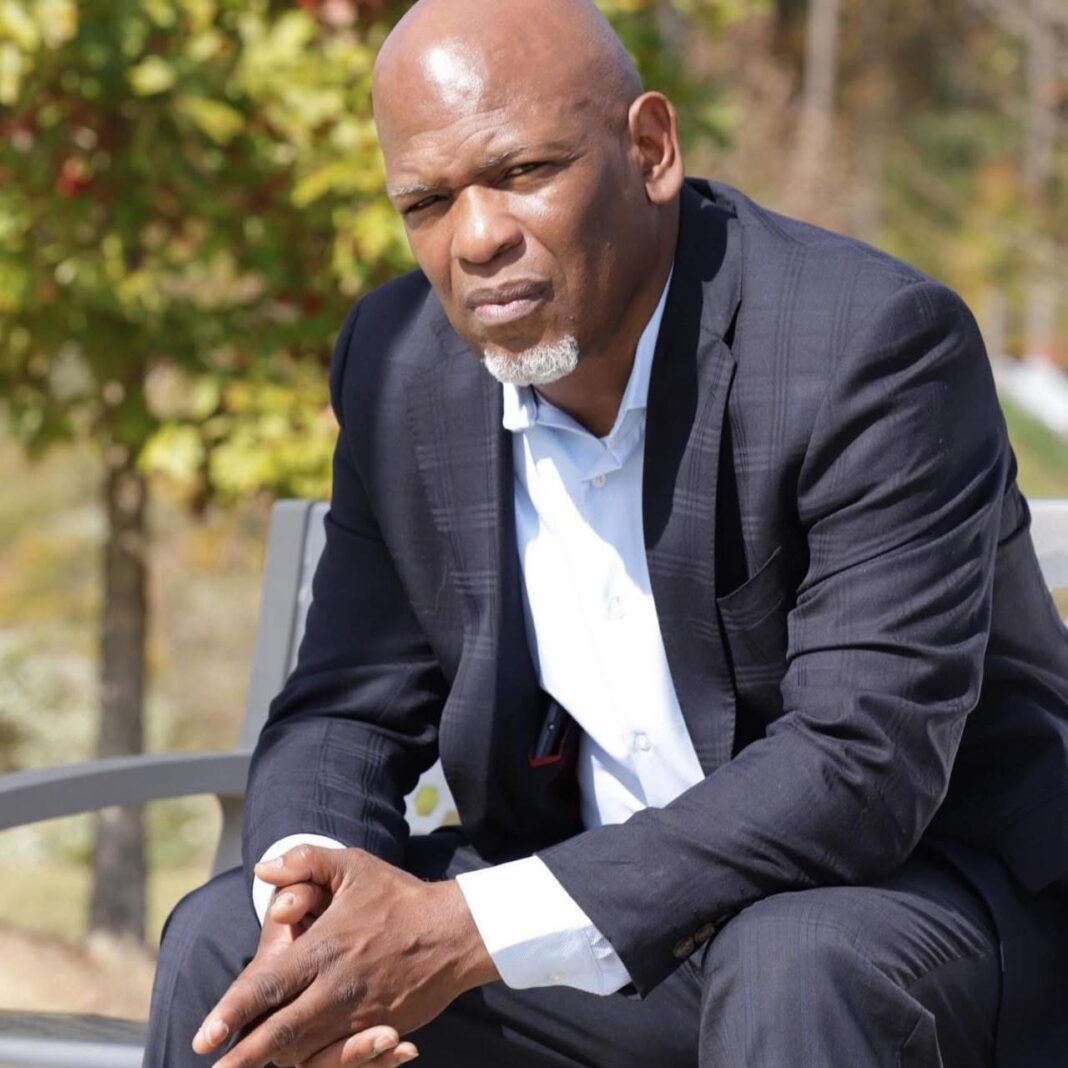

By Darryl Moss
is a persistent and dangerous illusion in Black America: the belief that if we stay quiet, keep our heads down, and avoid confrontation, we might somehow be spared.
History has never supported that belief.
Silence did not protect our ancestors from slavery. Millions endured brutality under a system designed to exploit and dehumanize them. Their obedience did not shield them. Their suffering only sustained an economy built on their backs.
Silence did not protect Black Americans during Jim Crow. Even those who followed every rule and stayed within the boundaries imposed on them were met with violence, terror, and systemic exclusion. Entire communities lived under constant threat—lynching, economic retaliation, and state-sanctioned intimidation.
Silence did not protect Black families from redlining or the theft of generational wealth. It did not shield activists from government surveillance under COINTELPRO. It has not protected voters from suppression, nor citizens from police violence. It has never stopped backlash against movements demanding justice.
The pattern is clear.
Silence is not neutral. It never has been.
Silence serves power. It protects systems that depend on the absence of resistance. It creates the illusion of consent where there is only fear, fatigue, or survival.
Progress in this country has never come from quiet compliance. It has come from disruption—from people willing to speak, organize, march, vote, write, and demand change.
The Civil Rights Movement was not quiet. The labor movement was not quiet. Women did not win the right to vote by remaining silent. Every expansion of democracy in America has required voices that refused to be ignored.
This truth extends beyond race. Silence in the face of book bans enables censorship. Silence around voter suppression empowers those who seek to narrow democracy. Silence in the face of economic inequality protects those who benefit from it. Silence around historical erasure allows false narratives to take root.
This is not a call for constant outrage or endless conflict. Not every disagreement requires a battle. But citizenship requires participation. Community requires engagement. Democracy requires voice.
For Black Americans in particular, our history makes one thing undeniable: survival and progress have always depended on those willing to speak, even when speaking came at a cost.
Frederick Douglass spoke.
John Brown spoke.
Ida B. Wells spoke.
Fannie Lou Hamer spoke.
Malcolm X spoke.
Dr. Martin Luther King Jr. spoke.
Their words—and in some cases, their actions—did not end injustice overnight, but they disrupted systems that relied on silence to survive.
Today, the terrain may look different, but the question remains unchanged: Will we speak when it is uncomfortable, or will we continue to mistake silence for safety?
History has already given us the answer.
Silence has never protected us. Truth has always carried risk. But every generation that expanded freedom did so because someone chose to speak anyway.
This is not just a lesson for Black America. It is a warning—and a responsibility—for anyone who claims to value justice, democracy, and human dignity.
Silence is not neutral.
And it never will be.