


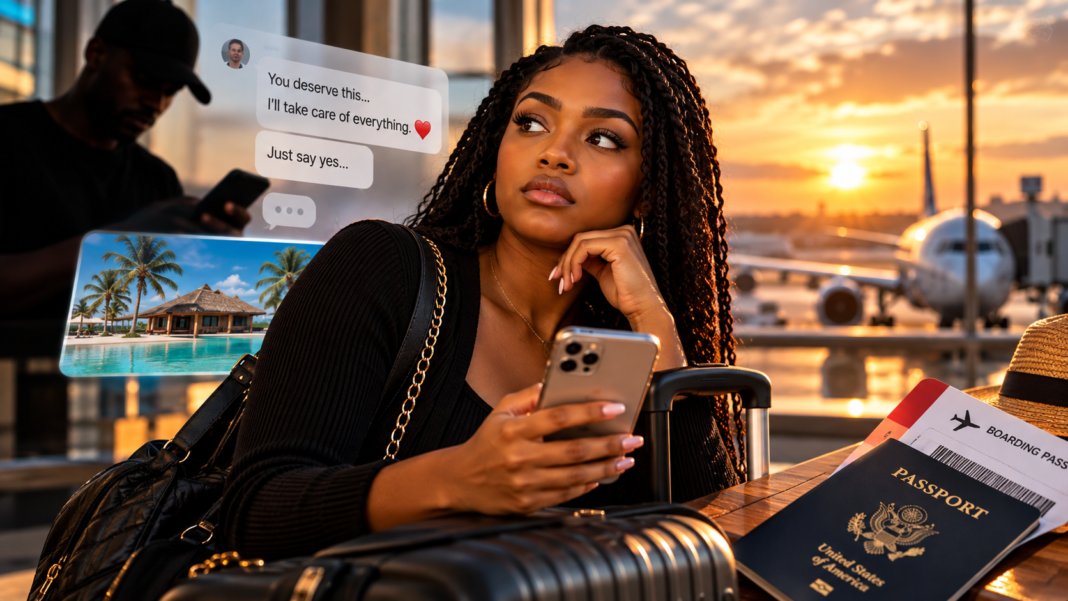

When the Promise of Romance Meets the Reality of Risk for Black Women
By Darryl E. Moss | The Metro Record
America is one country, but for many Black families, it can feel like two different worlds.
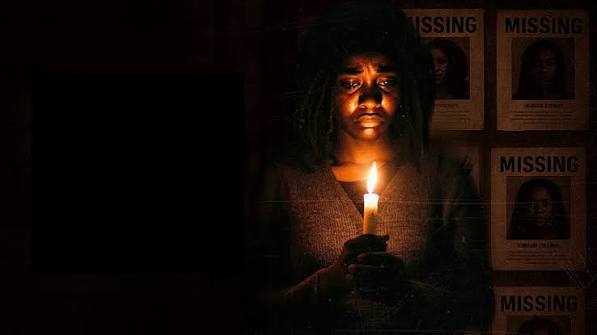
In one, a missing person’s face becomes a national headline. Search efforts command public attention. Questions are asked, answers are demanded, and the disappearance remains in the public consciousness.
In the other, families search for their daughters, sisters, mothers, and friends while confronting the possibility that the rest of the country may never fully understand their urgency. They make calls, circulate photographs, contact authorities, and turn to their communities to keep a missing loved one’s name alive.
This disparity is part of why the disappearance of Black women and girls deserves more than a passing mention. It deserves sustained attention, serious reporting, and a public conversation that does not begin only after another family is plunged into uncertainty.
Now consider the invitations circulating through dating apps and social media: a weekend away, an all-expenses-paid vacation, a chance to meet someone who promises romance, generosity, and a different kind of life.
For some women, these offers may lead to perfectly ordinary experiences. But when an invitation comes from someone whose identity, intentions, and history remain largely unknown, the promise of a free trip raises important questions about trust, independence, and safety.
Who is arranging the travel? Who controls the accommodations? Does the woman have the money and means to return home on her own? And if the experience takes a frightening turn, can she leave without asking permission from the person who brought her there?
These are not questions intended to frighten Black women away from relationships or travel. They are questions about the practical realities of placing one’s safety, transportation, and freedom of movement in the hands of a relative stranger.
The larger concern is that Black women should not have to disappear before their safety becomes a community priority.
We need to talk about these risks before a family is searching for answers. We need to recognize that online familiarity is not the same as knowing someone, that generosity does not create an obligation, and that no invitation is worth surrendering the ability to leave.
And when a Black woman does go missing, her case deserves urgency, dignity, and sustained attention.
The alarm is not the problem. The question is whether we are willing to hear it.