


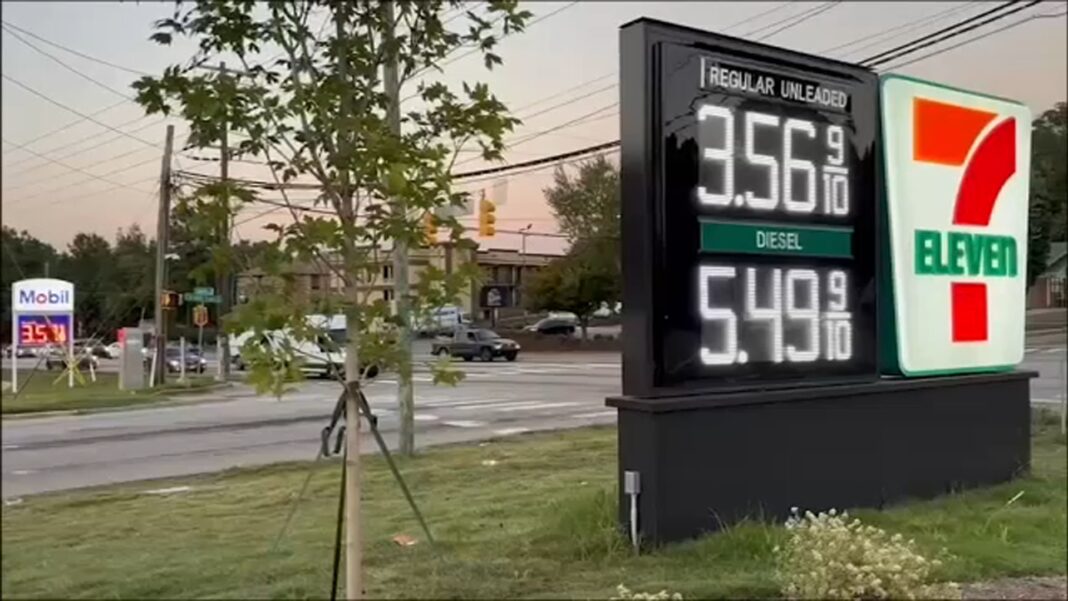

RALEIGH, N.C. — North Carolina’s state motor-fuel excise tax is temporarily set at zero through November 30, and Attorney General Jeff Jackson has launched a reporting process for drivers who believe a fuel retailer is not passing the savings along.
The suspension took effect October 10 under Session Law 2026-62. The North Carolina Department of Revenue says the change applies to gasoline, diesel and other fuels subject to the state motor-fuel excise tax. The law does not eliminate every tax or fee associated with fuel.
On October 13, the Attorney General’s Office announced N.C. Fuel Check and said it had notified major fuel retailers and distributors that the law requires the tax savings to reach consumers.
Officials caution that pump prices may not fall immediately at every station. Retailers may still be selling fuel purchased when the tax was in effect. The Attorney General’s Office said most stations should receive new deliveries within about a week, though timing and pump prices can vary.
How to report a concern
Drivers can submit a report through the state’s N.C. Fuel Check page or call 1-877-5-NO-SCAM. The state asks consumers to provide the station name and address, date and time of the visit, fuel grade and price, photographs of the price sign and receipt, and a description of the concern. Prices at nearby stations can also help investigators assess a report.
A high price alone does not prove that a retailer violated the law. Fuel costs can vary, and stations may have purchased inventory under the previous tax rate. The state says it will review complaints and publicly available price data to identify possible outliers.
The temporary suspension is scheduled to end November 30 unless the law changes. Metro Record will monitor enforcement actions and examine how prices change across urban, rural and coastal communities.