



TALLAHASSEE, Fla. — October 17, 2026
Florida’s midterm election is bringing Black political representation into sharper focus, but the central question for voters is not simply who shares their identity. It is what candidates propose to do about health care, housing costs, public education, jobs, voting access and disaster recovery.
Republican Byron Donalds is running for governor, while Democrat Angie Nixon is a candidate in the special U.S. Senate election. The Florida Division of Elections lists both candidates as qualified for the 2026 general election. National reporting has highlighted the contrast between their political approaches and the different constituencies they are seeking to reach.
For Black Floridians, those races intersect with everyday concerns: the cost of homeownership and insurance, access to affordable health care, school policy, small-business opportunity and how public resources reach communities after storms. A candidate’s biography may shape a voter’s interest, but policy positions, public records and a record of accountability provide the basis for evaluating what representation will mean in practice.
Voters should review official candidate information, compare proposals and confirm registration and voting procedures with their county supervisor of elections. Early voting schedules and locations can vary by county.
Reporting still needed: The Metro Record will seek direct responses from the candidates on Black homeownership, health disparities, small-business capital, voting access and post-disaster recovery, and will compare their specific proposals rather than infer positions from party labels.
Sources: Florida Division of Elections: Byron Donalds; Florida Division of Elections: Angie Nixon; The Washington Post’s analysis of Black candidates and voter trust.
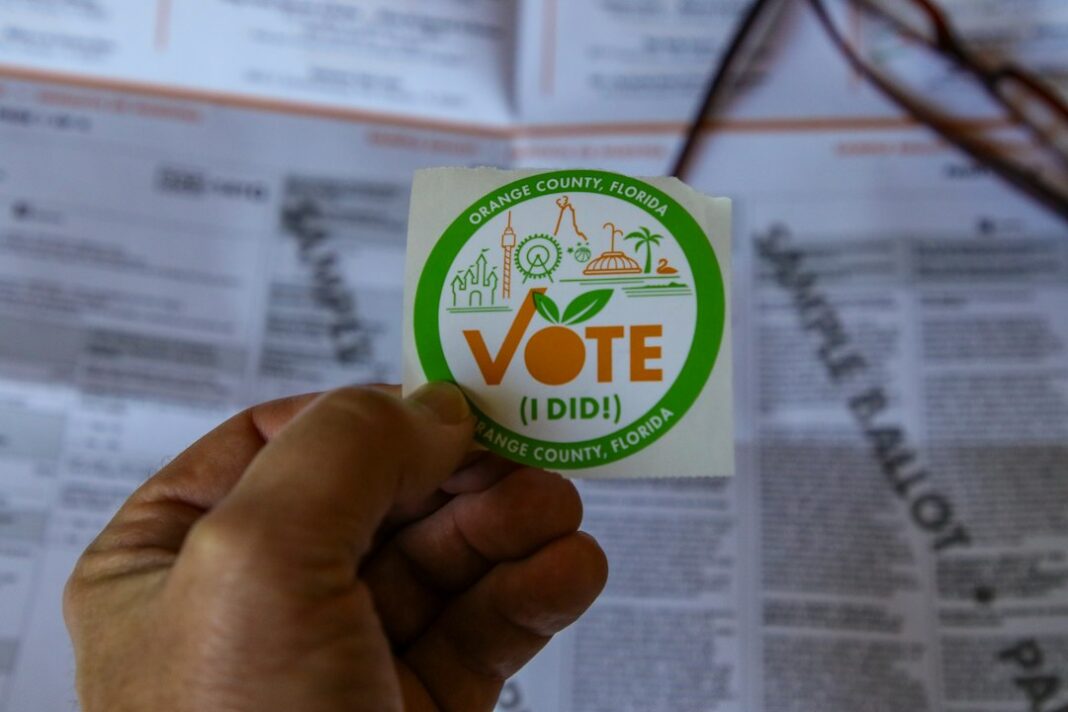
Image: Illustrative voting photograph. Photo by Mick Haupt via Unsplash.