



THE METRO RECORD — The spoken word stage occupies a distinctive place in Black cultural life. It is performance, literature, testimony and community gathering at once, offering writers a direct relationship with audiences that traditional publishing does not always provide.
Poetry readings, open mics and curated performance events create room for emerging voices alongside experienced writers. The format can move from intimate personal reflection to social commentary, humor, love, history and political critique. The audience is not simply consuming a finished product; it is part of the exchange.
Beyond the microphone
Spoken word is often treated as an event rather than an artistic discipline. That overlooks the preparation behind a strong performance: revision, rhythm, breath, structure, timing and the ability to make language live in a room. The best performers understand that immediacy does not mean improvisation without craft.
For younger writers, the stage can be an entry point into a broader creative economy. Performance can lead to teaching, publishing, workshops, audio production, touring and collaborations with musicians or visual artists. For established poets, it can create a direct audience and a space to test new work.
Community venues also matter. Independent bookstores, museums, libraries, cultural centers and small performance rooms can provide access that larger institutions sometimes cannot. These spaces are especially valuable when they pay artists, promote local work and welcome audiences across age groups.
As cultural organizations plan their calendars, spoken word deserves more than occasional programming. It is a living literary practice with the capacity to connect generations and preserve stories that might otherwise go unheard.
Source context: Sugarcane Magazine’s November 2026 arts coverage; original Metro Record cultural analysis.
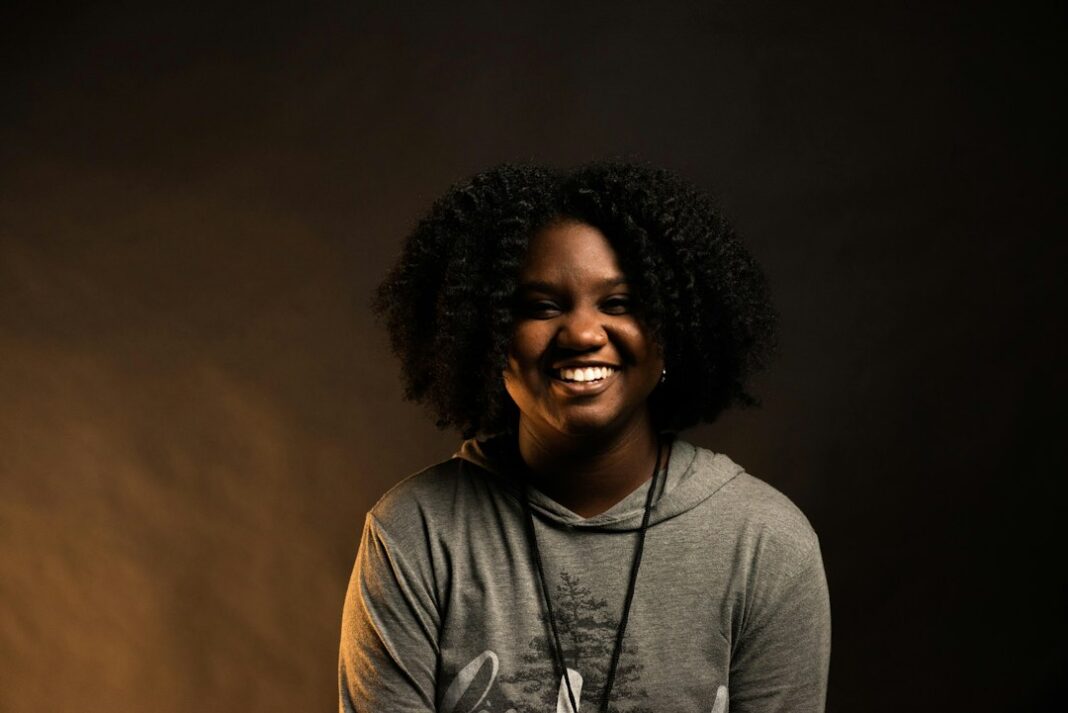
Featured photograph: Illustrative performance image by Chad Madden via Unsplash. Not a photograph of a specific poet or event.