


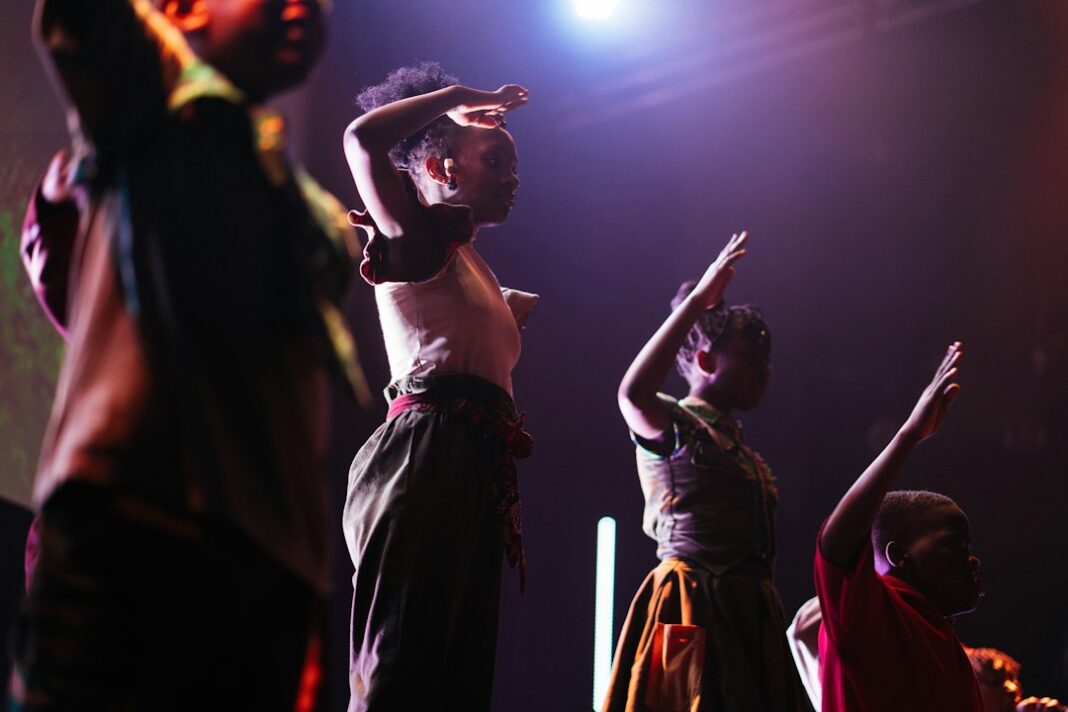

THE METRO RECORD — Black dance is not a single style or a fixed historical category. It is a wide field of movement shaped by African diasporic traditions, social dance, classical training, contemporary choreography and the lived experiences of communities.
Professional companies and independent choreographers work across these forms, carrying histories forward while creating new work for changing audiences. Their productions can draw on spiritual traditions, jazz, hip-hop, modern dance, ballet, theater and experimental movement without being confined to any one genre.
Preservation requires investment
Dance is an embodied art. Technique and cultural knowledge are passed through teachers, rehearsals, studios and performance. When organizations lose rehearsal space, teaching resources or stable funding, the effects reach beyond one season. They can interrupt the transmission of knowledge and limit the opportunities available to young dancers.
Audience development is another challenge. Dance organizations need to reach people who may not see themselves reflected in traditional arts marketing. Community partnerships, school programs, accessible ticketing and conversations with choreographers can help make performances more welcoming without simplifying the work.
Black dance companies also contribute to local economies. Productions employ performers, musicians, designers, stage technicians, educators and administrators. Their value should be measured not only in ticket sales but in training, cultural education and the creative jobs they sustain.
For cultural funders and civic leaders, supporting dance means recognizing both its artistic rigor and its community role. The next generation of dancers needs affordable training, paid performance opportunities and institutions willing to invest in their work over time.
Source context: BlackNLA arts and culture coverage; original Metro Record cultural analysis.
Featured photograph: Illustrative dance performance by Phil Hearing via Unsplash.