


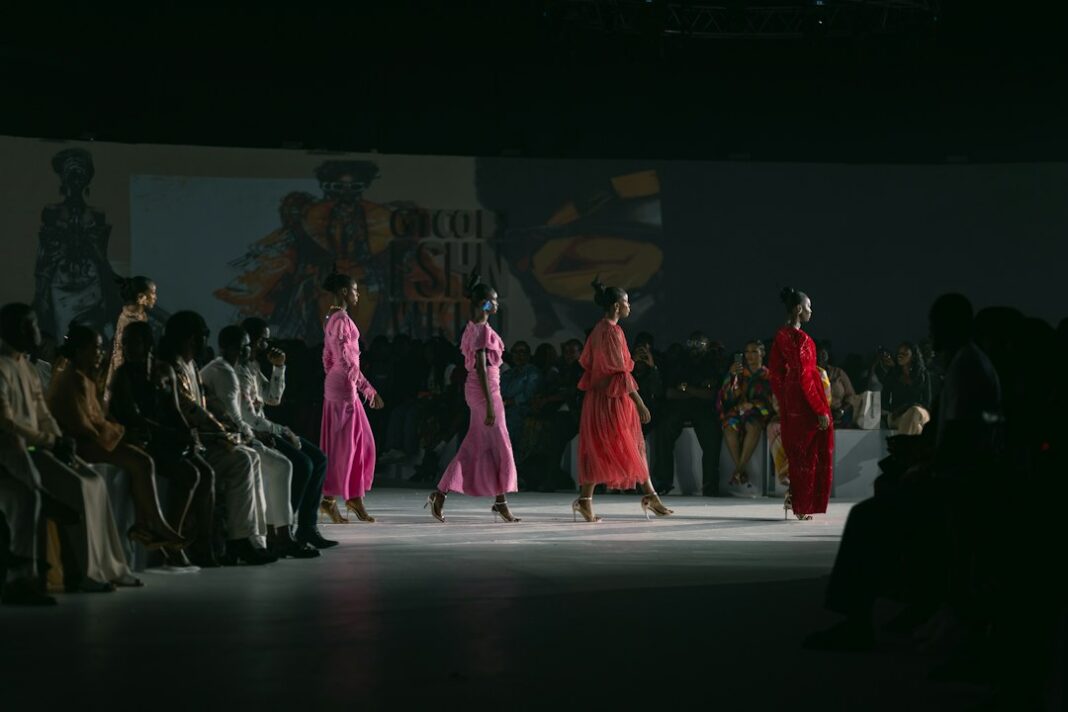

THE METRO RECORD — Black designers have influenced fashion across generations, from streetwear and luxury to tailoring, beauty and accessories. Yet the industry’s recognition of Black creativity has often moved faster than its willingness to share ownership and commercial power.
Runway visibility can create attention, but a sustainable fashion business requires much more: production capacity, reliable suppliers, financing, retail relationships, marketing, intellectual-property protection and the ability to fulfill orders at scale.
Representation is not the same as ownership
A fashion show may feature Black models and celebrate Black-inspired design while the companies controlling distribution and profit remain concentrated elsewhere. Designers who build independent labels face the cost of sampling, inventory, shipping, photography, public relations and retail placement. Those expenses can become barriers even when consumer demand exists.
Black fashion entrepreneurs are also building businesses beyond traditional runway structures. Independent labels, online boutiques, beauty brands, custom design studios and collaborations with established retailers provide different paths to market. Each path carries its own risks and requires careful attention to margins and customer relationships.
Industry institutions can make a difference by providing transparent selection processes, paid opportunities, mentorship, access to buyers and financing that does not demand away control of the brand. Consumers can support designers by purchasing directly, sharing their work and recognizing the business infrastructure behind a finished garment.
The next conversation about diversity in fashion should ask who is being funded, who owns the brands, who controls production and who benefits when a design becomes commercially successful.
Source context: BlackNLA and Black Enterprise; original Metro Record business and culture analysis.
Featured photograph: Illustrative runway image by Ben Iwara via Unsplash.