


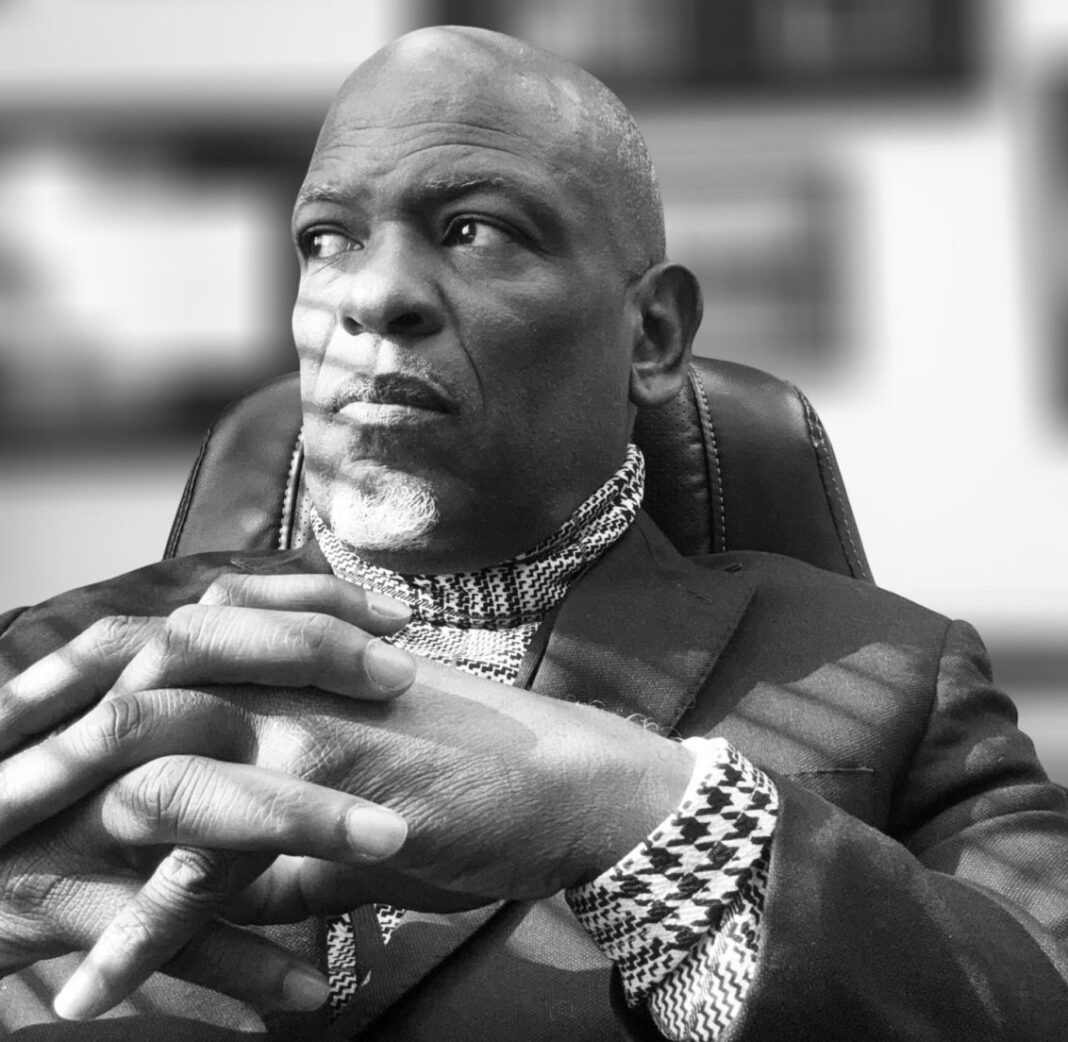

By Darryl E. Moss
For generations, Black voters have carried democracy across the finish line. The next step is learning to own the race itself.
We have marched, registered, organized, and voted. Every election cycle, Black voters are called on to save democracy. We show up, turn out in record numbers, and often deliver the winning margin. Yet once the ballots are counted, promises fade and governing resumes without us. The question now is not whether Black voters still matter. It is whether we are ready to move from being the margin of victory to being the reason policy changes.
That is the vision behind the Black Voters Alliance, a model for turning turnout into power and awareness into consequence. It starts with a simple idea: the Black vote is not free.
For too long, political parties and campaigns have treated Black voters as a constant in their equations. We are expected to perform without negotiation, to energize campaigns without conditions, and to accept visibility in place of influence. The Alliance rejects that formula. Its destination is organized leverage that produces measurable results.
From Automatic Loyalty to Earned Support
In this model, candidates must meet Black voters on our own terms. They sit down with the Alliance, review written priorities, and commit to follow-up meetings once elected. Support is not a moral duty. It is a negotiated exchange.
That shift may sound procedural, but it changes everything. When candidates understand that endorsement depends on accountability, the power dynamic flips. The question changes from “Who can we get Black voters to support?” to “What must we deliver to earn it?”
At the city and county level, this approach could make the Alliance a political gatekeeper. Reporters and campaign strategists would begin asking where the Alliance stands before predicting outcomes. Candidates would seek the Alliance’s approval not for optics but for survival. When organized, the Black vote is not symbolic. It is decisive.
Beyond Representation to Real Returns
Representation matters, but it has never been enough. The Alliance measures success through tangible outcomes: budgets that allocate resources to Black priorities, appointments that open doors for Black professionals, and policies that measurably improve Black life. Every ballot becomes a transaction with a visible return.
In cases where no candidate meets the standard, withholding support is itself a strategy. The power to say no is essential. Strategic abstention or redirection signals seriousness, not apathy. It forces political institutions to reconsider how they engage Black communities.
A Playbook Built to Travel
The long-term goal is to create a model that travels. Each chapter can adapt the framework to local realities while staying aligned on shared principles. Cities such as Atlanta, Detroit, Philadelphia, and Oakland could coordinate strategies instead of reinventing the wheel. This builds continuity across regions without establishing centralized control.
In a fragmented political environment, coordination is power. When communities move in rhythm, the political system cannot ignore them.
Why This Moment Demands It
The timing is critical. In 2026, both major parties are struggling with credibility among Black voters. Democrats face fatigue and frustration, especially among younger and working-class voters who feel their turnout is celebrated but their issues are sidelined. Republicans see the opportunity and are courting segments of the Black electorate, particularly men, by mixing anti-establishment language with appeals to independence and entrepreneurship.
Both trends expose the same gap: the lack of a disciplined Black political infrastructure that answers to communities rather than campaigns. Civic groups and church networks have long provided leadership, but too often they lack the coordination needed to turn moral authority into measurable influence. The Black Voters Alliance offers a remedy. It proposes a system where our political engagement is strategic, our expectations are documented, and our votes are treated as leverage, not loyalty.
Locally, such leverage could reshape elections that turn on a few hundred votes. It could rewrite city budgets and change who gets appointed to boards or commissions. On a national scale, in states like Georgia, Michigan, and Pennsylvania, this level of organization could decide who governs the country.
That is the kind of power the Alliance seeks to institutionalize: consistent, collective, and consequential.
Building Power Beyond the Ballot
If the Black Voters Alliance is successful, it will require us to redefine what political loyalty means. Deal-making will need to be understood not as compromise but as strategy. Coalition work will remain important, but the terms of engagement will finally be defined by Black-led institutions.
To succeed, the Alliance must value transparency, accountability, and patience. Shifting culture takes time. Building trust takes repetition. But the reward is permanent leverage. When the expectation changes from participation to negotiation, politicians must compete for our support rather than assume it.
The Destination
The Black Voters Alliance envisions a future where Black political power is deliberate and directed. No candidate counts our votes before earning them, and no community trades loyalty for broken promises.
This is not a call for cynicism. It is a call for ownership. For too long, we have carried democracy like laborers. It is time to claim the title of shareholders and shape the returns.
Darryl E. Moss is a writer and cultural strategist focused on Black civic power, movement organizing, and accountability.