


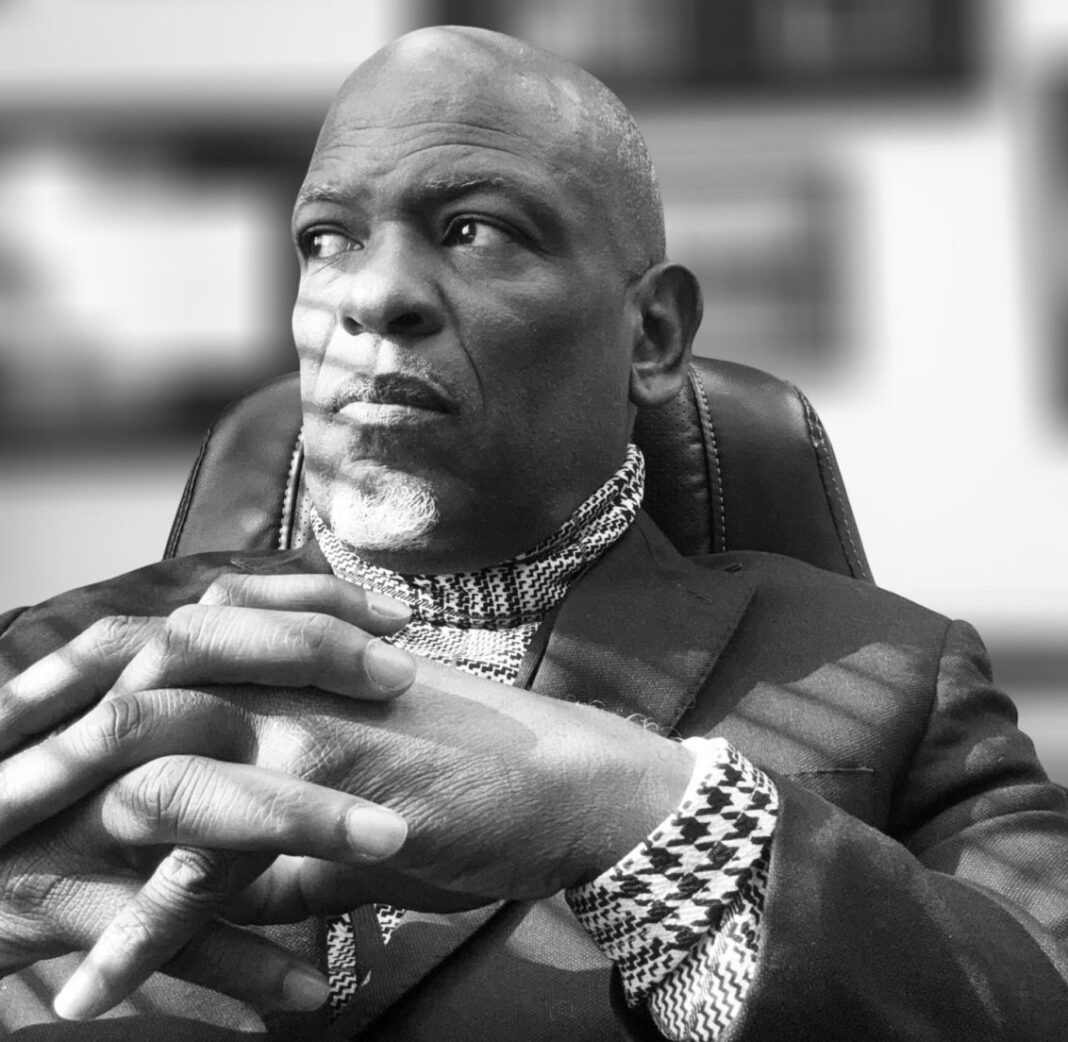

A Leader Watches Over His People, Not His Reflection
There is a quiet, dangerous shift in leadership happening across this country. Too many people have become enamored with the sound of their own names and the glow of their own image. They mistake visibility for vision and branding for building. They crave attention more than accountability.
A true leader does not climb the mountain to see himself reflected in the glass of power. He climbs it to gain perspective, to look out over the landscape and ask the only question that matters: Are my people safe?
Leadership was never intended to be a mirror. It was meant to be a window through which one can see others clearly.
When I think of leadership, I think of responsibility. I think of sacrifice, of restless nights spent worrying about families who have lost jobs, of decisions that weigh heavily because they may not be popular but are necessary for the good of the community. Real leadership is not defined by comfort or recognition but by the willingness to place others before oneself.
A leader watches over people, not his reflection.
Too often, those in power become preoccupied with how they are trending, how they are polling, or how they are being perceived by those who already benefit from the system. When that happens, leadership loses its purpose. It becomes performance instead of stewardship.
We now live in a world where social media has turned governance into theater. The lighting is flawless. The speeches are practiced. The hashtags are ready. Yet the potholes remain unfilled. The schools still lack resources. The elders still need support. The small businesses still fight to survive. The young still search for guidance, opportunity, and safety.
You cannot mend these realities by staring at yourself.
The mountain that leaders climb is not a stage. It is a vantage point. From it, one should be able to see the valleys where people struggle. You should be able to see who is being excluded from economic opportunity, who is overpoliced and underprotected, which neighborhoods have sidewalks and which have only excuses. If you look down and see only your own shadow, you have misunderstood the role you were entrusted with.
Leadership demands humility and the willingness to listen. It requires courage to tell your supporters when they are wrong and discipline to face criticism with grace. It also calls for accountability, even when it is uncomfortable. The people do not belong to the leader, nor does the position. The title is temporary. The responsibility endures.
Too often, we see communities defending personalities instead of principles and protecting individuals instead of outcomes. When faces become more important than results, progress slows and power becomes insulated.
To lead means to ask tough questions about budgets, to measure progress honestly, and to invite disagreement into the conversation. Critique should not be feared, for it is often the tool that sharpens the work of progress.
If you find yourself more concerned with applause than with the pain of those under your watch, it may be time to descend from the mountain and reconsider your purpose. Leadership is not about being admired. It is about being effective.
History does not remember leaders by how carefully they curated their image. It remembers them for the condition of their people: whether they were fed, educated, protected, and empowered. It remembers whether they built systems that endured long after them and whether they stood firm when it was easier to yield.
Reflection has its place, but when it turns into self-absorption, it erodes the very foundation of service.
At the end of each day, when the cameras are off and the attention fades, a leader should be able to look across their community and say, I saw them. I heard them. I fought for them. I did not use them.
The mountain is high for a reason. It gives perspective. Use it wisely. Watch over your people. Leave the mirror at home.