



By The Metro Record
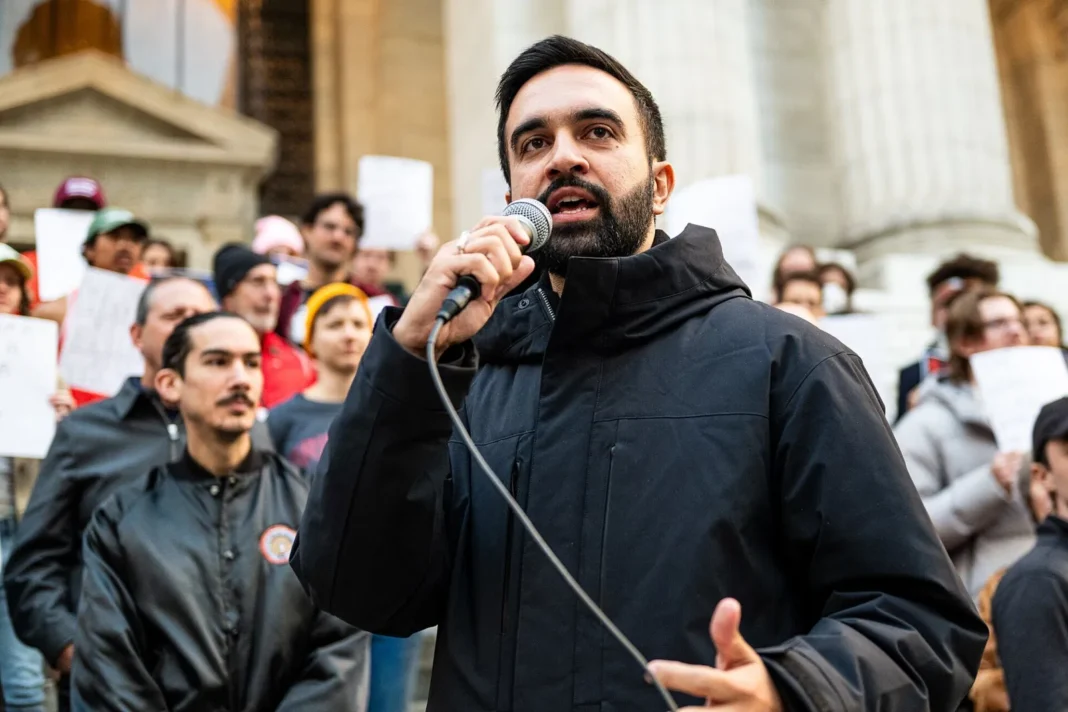
NEW YORK — New York City Mayor Zohran Mamdani is walking back comments made during his mayoral campaign after criticism from Black residents who said his description of New York as a “city built by immigrants” erased the deep historical role Black Americans played in building the city.
The remark, which resurfaced recently, quickly drew backlash from community voices who argued that the phrase, often used in political messaging, overlooks centuries of Black labor, struggle, and cultural leadership that shaped New York long before the modern waves of immigration.
In a recent conversation with historian and podcaster Latoya Coleman, Mamdani acknowledged the criticism and issued an apology.
“When we make sweeping statements like that, we lose sight of the fact that Black New Yorkers helped build New York City,” Mamdani said. “For that omission, I apologize.”
The mayor added that recognizing immigrant contributions should never come at the expense of acknowledging the legacy of Black Americans whose labor and communities helped construct the city’s economic and cultural foundation.
For many critics, the issue runs deeper than a single phrase. It reflects a broader concern that Black history is increasingly sidelined in conversations about urban development and political priorities.
That tension is particularly sharp as New York’s Black population continues to decline. Rising housing costs and economic pressures have forced many long-time residents to leave the city, with thousands relocating to suburbs and southern states in search of affordability and opportunity.
Advocates say the conversation about who built New York must be historically honest.
The city’s story includes immigrants arriving through Ellis Island, but it also includes enslaved Africans in colonial New York, Black dock workers and laborers who powered its early economy, and generations of Black leaders who helped shape its politics, culture, and neighborhoods.
Mamdani’s apology may ease some of the immediate criticism, but the debate underscores a larger truth in American public life: narratives about immigration and opportunity often collide with a history in which Black Americans laid much of the foundation.
In cities like New York, where identity and history are tightly intertwined with politics, the question remains clear and unavoidable.
Recognition matters.
Memory matters.
And the story of who built the city cannot be told honestly if Black America is edited out of the narrative.