


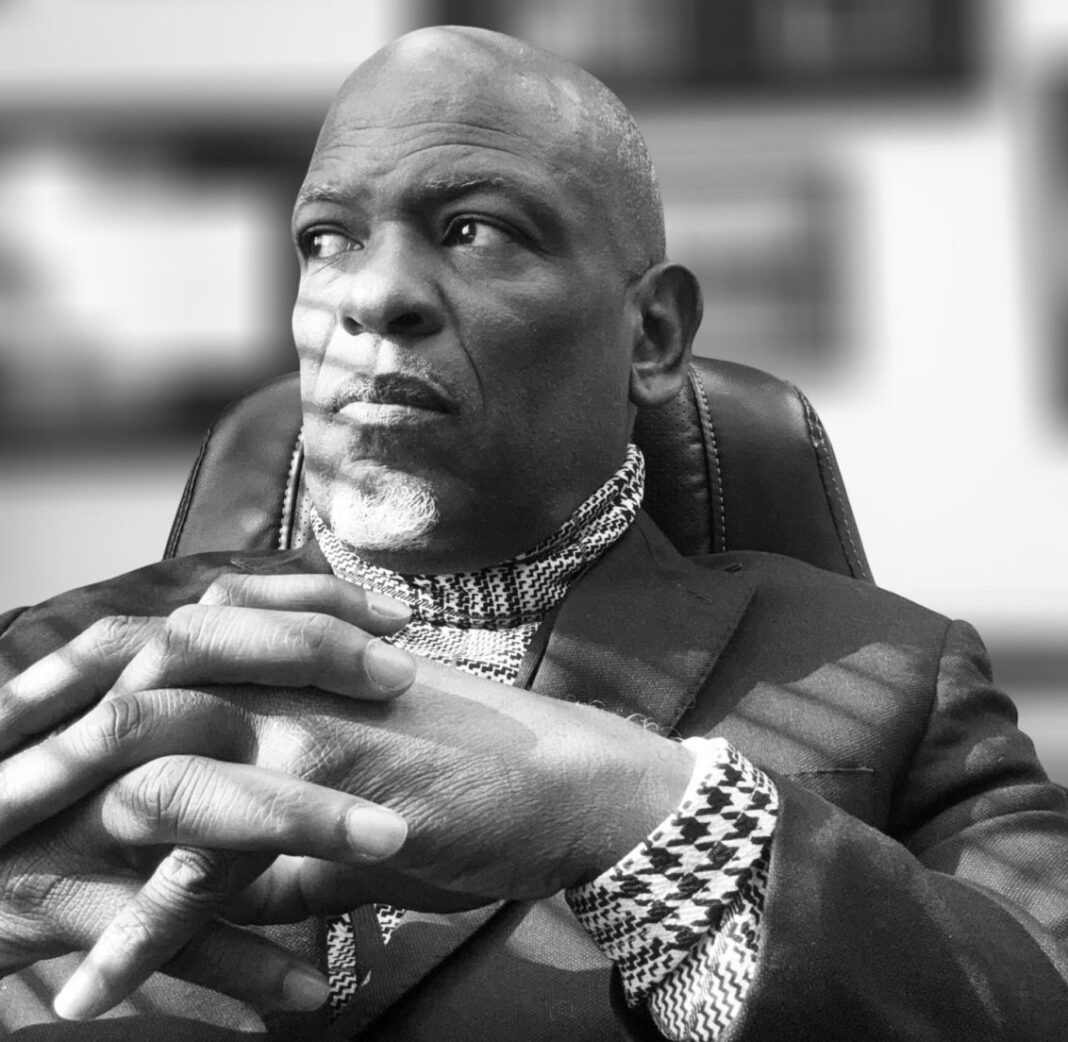

By Darryl E. Moss
There is a quiet tendency to speak of our condition as if it began in brokenness. As if struggle is our origin story rather than an interruption of it. That framing is not only inaccurate, it is dangerous. When the beginning is distorted, everything that follows is misunderstood.
We were not discovered in deficiency. We were encountered in fullness.
Before the night raids, before the ships, before the crossings that renamed oceans and people alike, there were societies grounded in language, culture, spirituality, and self-definition. We were not searching for identity. We were living in it. What came after did not create our condition. It disrupted it.
That disruption did not arrive from a single place. It moved across waters and borders, carried by colonial powers that, despite their differences, aligned in a shared purpose: extraction. Not only of land or labor, but of narrative, of memory, of identity itself.
Submission was never requested. It was enforced. Repeated. Institutionalized until it began to resemble normal.
This is how erasure works. Not in a single moment, but over time.
Language was stripped or reshaped. Heritage was dismissed or diluted. History was rewritten or omitted. Belief systems were pushed aside, replaced, or forced underground. Faith, once rooted in ancestral understanding, was made to exist within foreign structures.
None of this happened because there was nothing there. It happened because there was too much there. Too much identity. Too much cohesion. Too much power in self-definition.
And yet, the most enduring consequence is not only what was taken, but what was carried inward.
Over generations, the tools of disruption did not simply surround us. They settled within us. Narratives once imposed from the outside began to echo in our own voices. We adopted standards never meant for us. We measured ourselves against constructs designed without us, shaping how we see beauty, define success, speak, and even how we practice faith.
Now we find ourselves in a peculiar position, carrying something we cannot always name, yet feeling it in ways we cannot ignore.
There is something within us. Not lost, but buried. A knowing that shows up without introduction. Fragments of language. Instincts that feel inherited rather than learned. Memory that lives just beneath the surface, waiting to be recognized.
We feel it in moments we cannot fully explain. In culture that refuses to disappear. In a resilience that defies easy explanation. In the quiet pull toward something deeper, something familiar, something ours.
So the question is not simply what happened to us.
The deeper question is what remains within us, and what it will take to uncover it.
Because buried is not the same as gone.
Too often, we move through life disconnected from parts of ourselves that remain unnamed, unread, and unclaimed.
Even now, we are more than our pain. Greatness, once rooted, is not easily erased. It adapts. It waits. It rises.
We are still here. And buried within us is everything we need to begin again.