


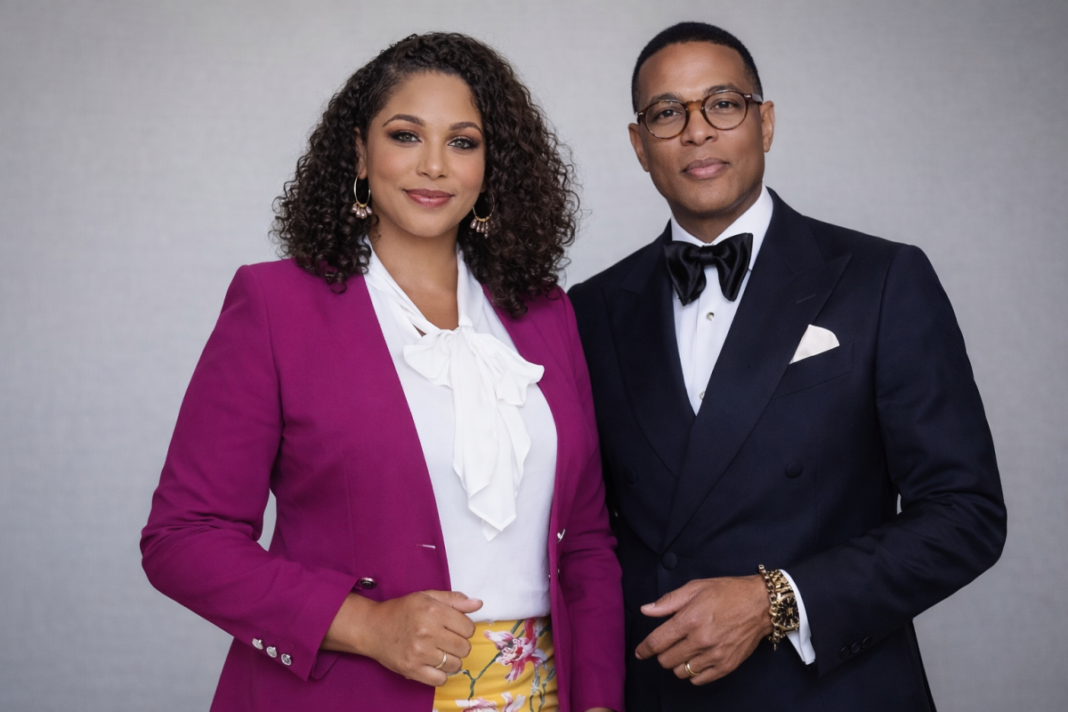

The recent federal arrests of journalists Don Lemon and Georgia Fort have ignited concerns over press protections, with advocates questioning if Black reporters face disproportionate scrutiny amid broader First Amendment challenges.
Incident Details
Lemon, a former CNN anchor, and Fort, a Black freelance journalist, were indicted under the FACE Act for allegedly disrupting a church service in St. Paul, Minnesota, during an anti-ICE protest on January 18, 2026. Prosecutors claim they obstructed worshippers, blocked exits, and conspired in a “coordinated attack,” based on video evidence including Lemon’s own footage. Both were briefly detained—Lemon in Los Angeles—and released without bond; they assert First Amendment rights for newsgathering.
Press Advocacy Response
Organizations like NABJ, CPJ, ACLU, and RCFP condemned the arrests as retaliatory, framing them as an “attack on Black journalism” due to the reporters’ focus on marginalized issues. NABJ cited “selective targeting” of Black and LGBTQIA+ voices documenting injustice, amid newsroom diversity declines. Broader groups warn of a chilling effect on all protest coverage.
Government Position
DOJ and AG Pam Bondi maintain the charges target criminal conduct—obstruction and conspiracy—not journalism, race, or sexuality. No indictment references demographics; officials stress equal law enforcement, noting past arrests of white journalists (e.g., Lauren Wolfe in 2021, Michael Paul in 2020) during protests, often dropped on First Amendment grounds.
Comparative Arrests
White journalists have faced arrests for protest coverage, typically for street clashes rather than church disruptions:
- Lauren Wolfe (white): Detained post-Capitol riot; no charges.
- Michael Paul (white): Arrested filming Floyd protests; case dismissed.
Lemon/Fort face rarer federal FACE Act pursuit inside a church.
Implications for Black Writers
| Concern | Evidence | Counterpoint |
|---|---|---|
| Racial Targeting | NABJ claims selective enforcement on Black reporters | Charges conduct-based; no race cited; white precedents exist |
| Press Chill | Unprecedented federal case may deter coverage | Applies to all journalists crossing into alleged crimes |
| Systemic Bias | Newsroom layoffs hit journalists of color harder | Arrests tied to specific actions, not identity |
Black writers should monitor litigation outcomes, as sustained prosecution could signal risks for aggressive reporting on protests—regardless of race—but no data confirms arrests solely for Blackness. The case tests constitutional boundaries more than racial vendettas.