


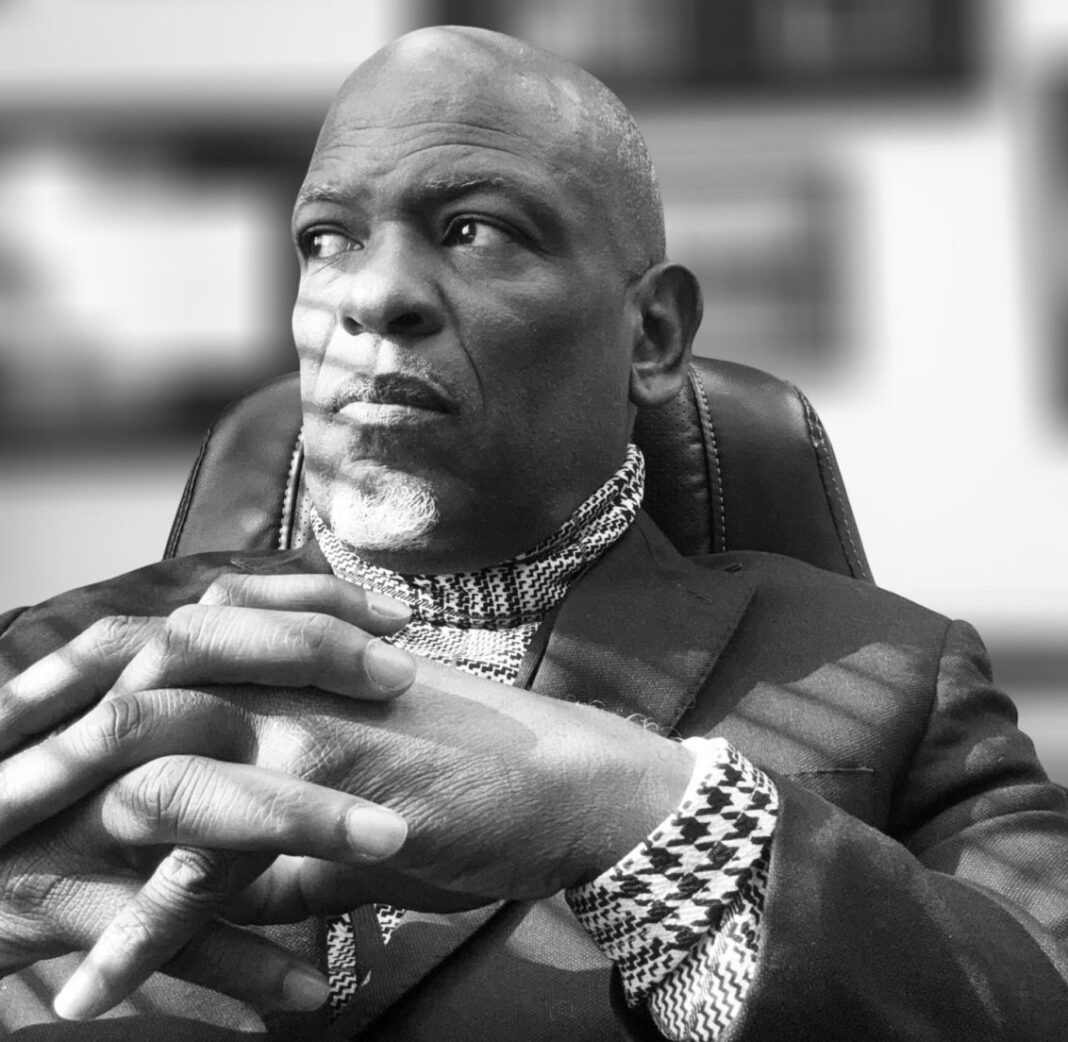

By Darryl E. Moss
What Springfield has witnessed in recent weeks is not simply a dispute over procedure. It is a familiar and troubling pattern in how power reacts when challenged and how media narratives can harden before facts are fully weighed.
The case involving Tracye Whitfield, Springfield’s City Council President, should have been a straightforward example of institutional process at work. A procedural oversight occurred. The official involved disclosed it the same night. Legal and ethics guidance was requested before any media coverage. No vote was cast. No benefit was taken. No concealment followed.
Yet that sequence of events was quickly transformed into a public morality play, one that framed transparency as suspicion and good faith disclosure as evidence of wrongdoing.
This is not accidental. It is structural.
When Institutions Close Ranks
City administrations are rarely neutral actors when internal power dynamics shift. Oversight becomes selective. Process becomes weaponized. Internal review mechanisms that are designed to correct errors quietly are instead allowed to metastasize into public controversies.
In this case, the city administration moved with remarkable speed to allow an internal legal review to become a public spectacle, while remaining silent on a critical fact: the official at the center of the controversy self reported before the press ever took notice.
That silence is not procedural. It is political.
Media Framing and the Rush to Judgment
The role of the media is not to protect public officials, but neither is it to flatten complexity into scandal. When reporting omits timelines, context, and documented disclosure, it ceases to inform and begins to inflame.
An article by Jeanette DeForge framed Whitfield’s brief delay in stepping away from presiding as an ethics lapse, while failing to acknowledge that she had already disclosed the issue to city legal officials and sought guidance hours after the meeting concluded.
That omission matters. It shapes public perception. It signals who is afforded the benefit of context and who is not.
A Familiar Pattern for Leaders of Color
This is where the conversation becomes uncomfortable but necessary.
Across cities and institutions, leaders of color are often judged not by intent or corrective action, but by how quickly their mistakes can be elevated into defining narratives. Transparency, rather than being rewarded, becomes a liability. The bar for grace is higher. The window for correction is narrower.
None of this requires overt racial animus. It operates through tone, emphasis, and omission. Through what is highlighted and what is quietly left out.
Tracye Whitfield did not claim perfection. She did not deflect responsibility. She disclosed, recused from voting, and sought guidance. That should have been the end of the story or at least the beginning of a measured one.
Instead, it became a test of how quickly accountability can be recast as culpability.
Accountability Versus Demonization
There is a meaningful difference between accountability and demonization. Accountability asks whether systems worked and how they can improve. Demonization asks who can be isolated, named, and diminished.
Springfield deserves better from both its institutions and its media. It deserves reporting that resists easy narratives and administrations that do not confuse internal power struggles with ethical governance.
Most of all, it deserves a civic culture where doing the right thing early does not become the very thing used against you.
Transparency should not be a trap. It should be a standard.
Until that principle is applied consistently, especially to leaders of color who challenge entrenched power, these stories will continue to feel less like oversight and more like warning shots.
And that should concern all of us, regardless of where we stand politically.