


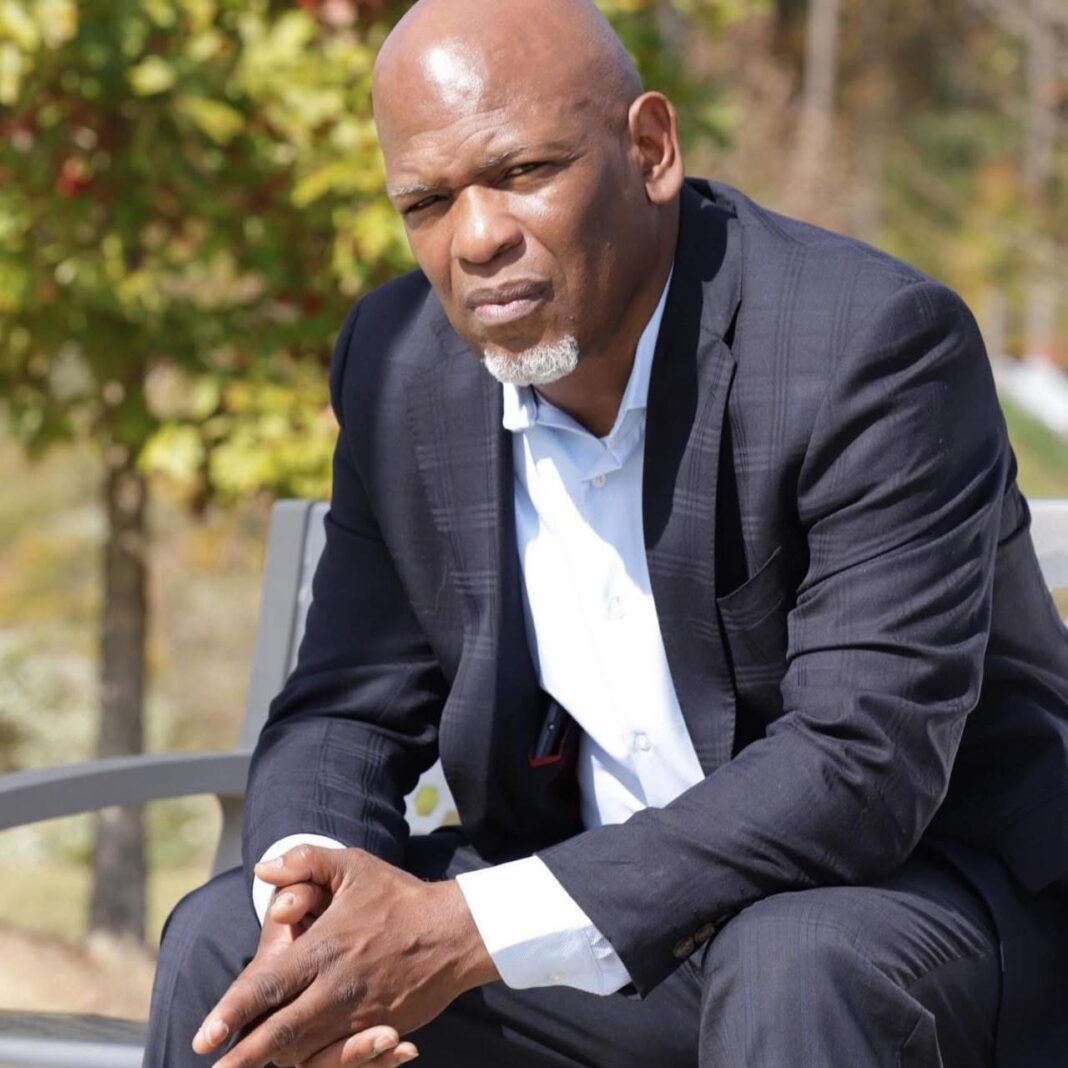

By Darryl E. Moss
In Springfield politics has a long memory. And when it comes to Congressman Richard Neal that memory stretches across generations. He has been around so long that for many folks especially in Black neighborhoods his name has become part of the political wallpaper: always there, always familiar, always present when the conversation turns to power. But familiarity is not progress. Longevity is not legacy.
That is the question Black Springfield has every right to ask: what has all that time in office actually meant for us?
Being in office for decades does not automatically mean you have been in the fight for decades. It does not mean you have used your influence to close racial gaps, strengthen Black neighborhoods, or confront the daily injustices that shape Black life in this city. A politician can be an institution and still leave the people most affected asking, “What exactly has this gotten us?”
That is not disrespect. That is accountability.
And accountability is where this conversation has to begin. Black people in Springfield are not outsiders looking in. We are the people living with the outcomes of these political decisions. We live with the housing crisis. We live with education gaps. We live with health disparities. We live with uneven investment, overlooked blocks, underfunded programs, promises that sound good during election season and disappear once the votes are counted. So yes, we are entitled to ask what a long-serving congressman has delivered for Black Springfield: not in speeches, but in real life.
Has Neal used his position to fight for Black businesses? Has he pushed resources into Black neighborhoods? Has he shown up when it was not photo-op politics, but hard unglamorous advocacy? Has he been a voice for equity in housing, health care, education, and economic opportunity? Has he used the leverage of seniority to open doors long shut in our faces? Those are not hostile questions. Those are the right questions.
Too often Black communities are told to settle for access. We are told that knowing the powerful equals serving the people. We are told that a seat at the table means everyone is eating fairly. But Black folks know better. We know the difference between acknowledgment and empowerment. We know symbolism from substance. We know well-positioned from needle-moving.
That is why Richard Neal’s longevity matters. Not because long tenure is automatically good or bad, but because it forces a deeper question: if you have been in the room this long, what changed for the people outside it?
Black Springfield should never feel guilty for asking that. In fact, we may be the ones most entitled to ask it. When a political figure becomes an institution, the communities living under that institution have every right to inspect the record. We do not owe blind loyalty just because someone’s name has stayed on ballots for years. Respect is earned. Trust is maintained. In politics, both have to be renewed, not assumed.
That is especially true for Black constituents, who have too often been asked to accept presence without power. We have seen too many leaders enjoy our votes, our labor, our support, and our patience without delivering the structural change that makes daily life better for Black families. So when Neal becomes a fixture in the political landscape, the question is not just how long he has served. The question is whether that service has produced something the community can feel.
If the record shows measurable gains, real advocacy, and consistent pressure on behalf of Black Springfield, then say it plainly with evidence. But if the record is full of access without transformation, then we need to say that too. Seniority cannot become a shield against scrutiny.
This is why the conversation matters. A man can be experienced and still overdue for a hard look. He can be respected and still need to explain the gap between longevity and community reality. That is not a contradiction. That is democracy.
Springfield needs leadership that is durable and accountable. Black Springfield needs leadership that sees us, not just nods at us. If Richard Neal is an institution, then that institution should answer for itself.
The question stands: when is long enough really long enough? For Black Springfield, the answer is simple. When the service shows up in people’s lives.