



By Darryl Moss
I was standing by the Savannah River, looking out at water that’s seen centuries come and go. It’s calm now. Beautiful. Quiet enough you’d almost believe nothing terrible ever happened there.
But I knew that wasn’t true.
So I asked the tour guide: “Where were the auction blocks? Where did they hold the enslaved people?”
She smiled and said, “Slavery was banned here. They didn’t bring people through this port. It wasn’t like that.”
Her answer didn’t make me angry. It just showed me what she didn’t know or what she wasn’t supposed to say.
She wasn’t trying to mislead me. She was just passing on the story she’d been told.
Here’s what really happened. Georgia did try to ban slavery at first. That’s true. But they overturned that ban in 1751. After that, Savannah became a major slave port. More than 23,000 Africans came through here between 1750 and 1798. By the late 1700s, enslaved Black people made up over 75% of Chatham County’s population.
They built this city. The docks. The warehouses. The houses. Everything.
And the slave sales happened right out in the open along River Street, near City Hall, in public squares we walk through today.
In 1859, just outside of town, 436 men, women and children were sold over two days of rain. It’s called The Weeping Time, the largest slave auction in U.S. history.
Most tours don’t talk about it.
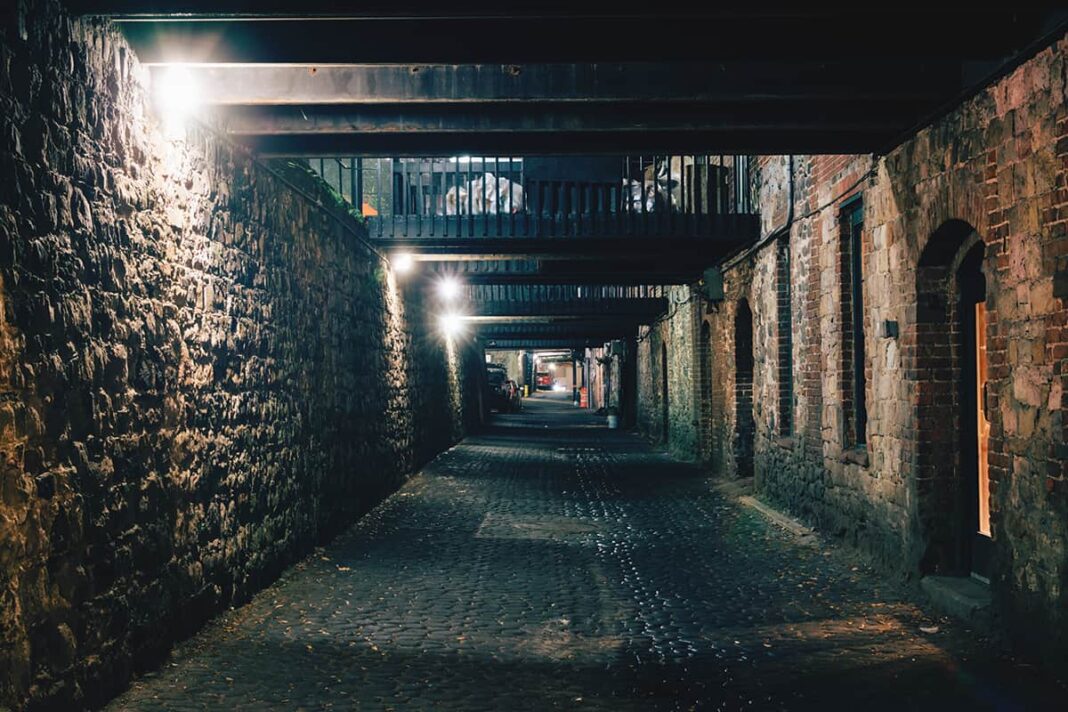
So I walked the path myself. From the river, up the stone stairs, to Johnson Square. Takes about 15 minutes.
That’s when it started feeling real. Like I could hear them.
Not ghosts exactly, but their story hanging in the air.
“You finally asked,” it felt like they were saying.
Ships that arrived silent and heavy with fear. People praying before they stepped onto land. Some who refused to cry, no matter what.
The stairs. Those same steps, climbed in chains. Step by heavy step. Some too weak to make it up.
Where the shops are now. That’s where they inspected people. Not by name. By price. By strength.
Johnson Square. Public auctions. Families torn apart. Children pulled away while crowds watched.
Today it’s shady oaks, monuments, people relaxing. Eight markers there, but none tell this story.
There’s a big obelisk for Nathanael Greene, who owned hundreds of enslaved people. The square’s named for Robert Johnson, who fought to bring slavery to Georgia. Benches and plaques for other white men.
Nothing for the people who built it all.
The Weeping Time marker didn’t go up until 2008, 149 years later. Mayor Otis Johnson poured soil from Nigeria and water to honor them. That’s the city’s main recognition.
Then you see the Confederate monument still standing tall in Forsyth Park.
It’s not an accident. It’s a choice. Stories that make tourists comfortable. History that skips the hard parts.
The river remembers. The bricks remember. The ground remembers.
Standing there, I made myself a promise. I won’t soften this. I won’t leave them out. I’ll tell their whole story.
Because until we tell our own history, someone else will tell it for us.
Metro Record Readers
Every American city does this. Cleans up its past. Georgia’s just one example. What stories are we missing where you are? What tours skip the truth?
Share what you know. Ask for the full story. Make sure it’s told right.
The river doesn’t forget. We shouldn’t either.
SavannahBlackHistory #OurStoryMatters #ControlTheNarrative
Sources