


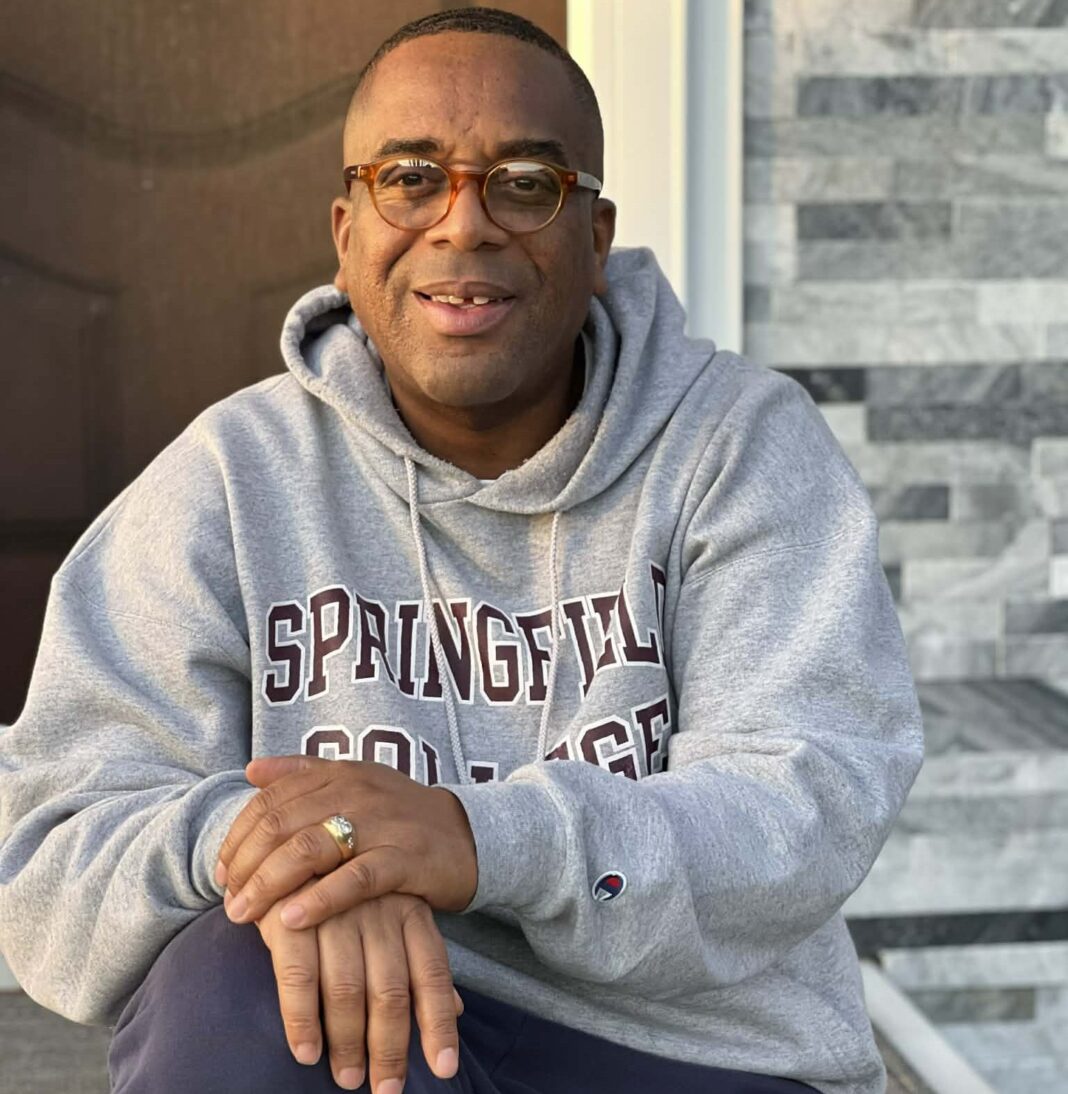

By Bro. Geb, Psychotherapist, African Diaspora Mental Health Association
The modern construct of psychotherapy, as defined through Western institutions, is not a universal system of healing. It is a culturally specific framework shaped by European philosophy, individualism, and clinical reductionism. It fragments the human being into diagnoses, isolates suffering from its spiritual and communal roots, and attempts to treat imbalance without acknowledging the full architecture of life. From an African-centered worldview, this is not incomplete, it is fundamentally misaligned.
This understanding is not theoretical for me; it is the foundation of how I practice. I do not approach my work as symptom management or diagnostic labeling. I approach it as restoration. My role is not to maintain dysfunction within an individualistic framework, but to identify imbalance and guide the process of realignment, with self, with purpose, with lineage, and with the structures that sustain life.
What is commonly referred to as therapy must be rejected in its Western form and restored to its rightful foundation. In my practice, I return to an African system of healing, Sankofa Adwene Ayaresa, the healing of the mind through returning and restoring what has been lost.
This must be made clear. The use of African language without African understanding is misalignment. Learning African words or repeating cultural terms is not appropriate unless one understands the cosmology and ontology at their foundation, the spiritual order, the nature of existence, the relationship between the seen and unseen, and the role of the human within that structure. Without this, language becomes performance rather than practice, and symbolism becomes distortion rather than truth.
This is not just therapy, this is restoration science grounded in ancestry, spirit, and collective order, and it extends directly into the healing of African love.
In my work, I do not separate mind, body, spirit, and community. The idea that a person can sit in isolation, speak privately about distress, and achieve full healing without engaging lineage, purpose, or communal responsibility is inconsistent with the framework I operate from.
Healing, as I practice it, is the restoration of alignment. This includes alignment with purpose, alignment with ancestral order, alignment with community responsibility, and alignment within the self.
When individuals present with anxiety, depression, confusion, or relational conflict, I do not reduce these experiences to disorder. I assess where imbalance has entered, where disconnection has occurred, and what must be restored. My role is not to diagnose pathology in isolation, but to restore order.
Sankofa Adwene Ayaresa, as I apply it, is an active and structured process. It involves reconnecting individuals to ancestral wisdom, restoring cultural identity, reestablishing spiritual grounding, and reintegrating them into a framework of accountability. This is not a passive reflection; it’s a disciplined realignment with truth.
In this work, I do not function as a neutral observer alone. I instruct, I challenge, I affirm, and I guide, with clarity and responsibility. Western psychotherapy centers the individual over the collective, diagnosis over meaning, expression over discipline, and privacy over accountability. In my practice, I reject these priorities when they undermine true restoration.
Healing cannot occur in isolation from who a person is connected to, what their purpose is, what their lineage requires, and how their behavior impacts others. This becomes especially evident in relationships.
If an individual is progressing but their union remains disordered, then restoration has not been fully achieved. In my work, I address not only the individual, but the structure of their relationships, particularly intimate partnerships.
In African Spiritualist thought, love between couples is not romance centered first, it is purpose centered, ancestral, and communal. A couple is not formed only for emotional fulfillment but to extend life, stability, and order across generations.
This is the framework I bring into relational work. Love between couples is understood as shared destiny rather than private desires, mutual obligation rather than emotional entitlement, and complementarity rather than competition.
Many of the issues I encounter in couples are not failures of affection, they are failures of alignment, structure, and accountability. My role is to identify where that breakdown has occurred and guide the process of restoration.
This work includes establishing alignment of purpose, clarifying what the couple is building and how their union serves beyond themselves, helping partners understand complementary roles based on capacity, season, and calling, developing emotional regulation through calm communication and restraint, protecting dignity by ensuring partners do not shame or diminish one another, framing sexuality as a sacred exchange rooted in respect and intentionality, treating conflict as restoration work rather than competition, and reinforcing ancestral accountability in behavior and decision-making.
Love between couples is not constant excitement, not ownership or surveillance, not emotional volatility mistaken for intimacy, not endurance of disrespect, and not secrecy that fractures trust.
Under Sankofa Adwene Ayaresa, healing in my practice is not about coping with dysfunction, it is about removing disorder and restoring alignment within the individual and within their relationships. The work is direct, structured, and accountable.
I ask whether you are aligned with your purpose, whether you are honoring your lineage, whether you are grounded in the cosmology and ontology that govern your existence, whether your relationships are structured in truth, and whether you are contributing to or disrupting order. Anything less is not healing, it is avoidance.
My practice is not an adaptation of Western psychotherapy. It is a return to African systems that have always understood the totality of the human experience and the sacred nature of love within it. I do not approach this work as innovation; I approach it as remembrance, a going back to fetch. This is Sankofa.
May the Ancestors order your footsteps in line with your lineage.